How ecological stewardship is deeply rooted in Islamic teachings
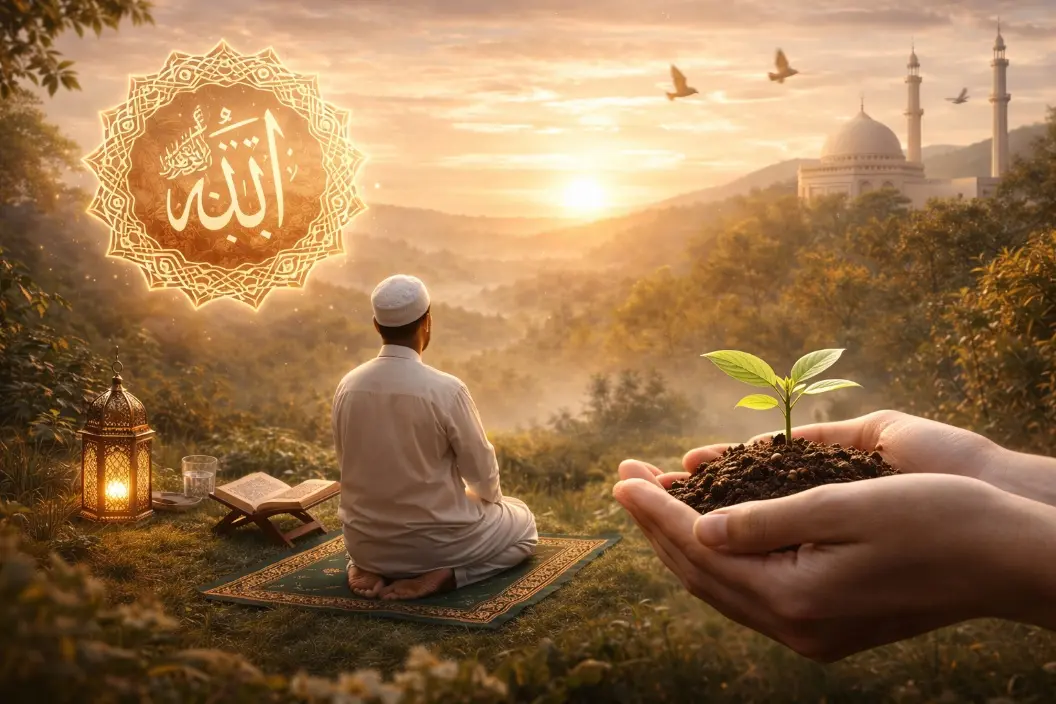
Spiritual Foundations explores how ecological stewardship is deeply rooted in Islamic teachings. In Islam, humans are entrusted with the role of khalifah (stewards of the earth), responsible for caring for creation with wisdom, humility, and accountability. The Qur’an also speaks of mizan (balance)—the natural harmony placed within creation, which humans are called to protect rather than disturb.
This perspective encourages a way of living that respects the limits and rhythms of nature. Permaculture principles such as care for the earth, care for people, and fair share resonate strongly with these ethical teachings.
At Mindful Meadows, we explore how Islamic values of stewardship, balance, and responsibility can inspire regenerative ways of living—guiding how we design landscapes, manage resources, and cultivate a respectful relationship with the natural world.
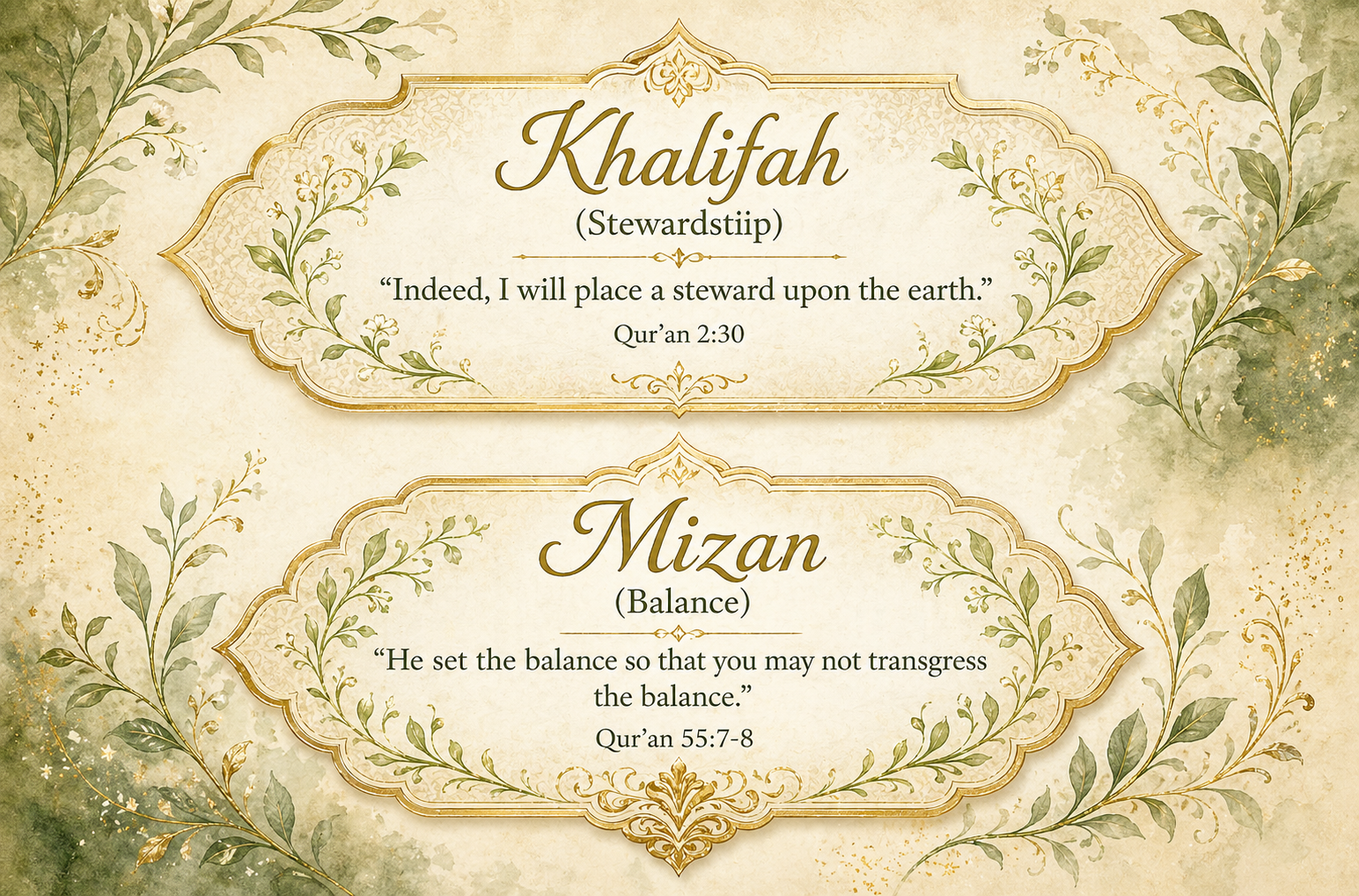
The sacred trust of caring for the earth and all creation with wisdom, responsibility, and humility. We are not owners, but caretakers accountable for how we treat the world.
The natural harmony and balance built into creation. Our role is to preserve this balance, recognizing that all elements of nature exist in delicate equilibrium.
Aligns with the Islamic duty to protect creation and honor the trust of stewardship.
Reflects the emphasis on community, compassion, and caring for human wellbeing.
Echoes teachings on justice, moderation, and redistributing surplus to those in need.