
Integrating Therapeutic Gardens, Ecopsychology, and Regenerative Design for Human and Ecological Well-Being
Author: Md. Hamidur Rahman
Abstract
The two most profound crises we are facing in modern culture are those of psychological suffering and ecological destruction, yet the two seem irrevocably intertwined; anxiety, depression, isolation, stress, and alienation seem to increase with both the climate crisis, species extinction, pollution, and loss of everyday nature contact. This literature review provides a narrative synthesis of literature from therapeutic gardens, ecopsychology, nature-based interventions, and permaculture. Based on literature in environmental psychology, therapeutic landscapes, horticulture therapy, public health, and regenerative design, this literature review asserts that human well-being and connection to nature are inherently intertwined. While therapeutic gardens offer an “earth-bound” intervention and ecopsychology an understanding of this interrelationship, permaculture offers a framework of regenerative design centered on people care, earth care, and fair share, indicating an emergent model of “therapeutic permaculture”-where landscapes are not only healing but also foster ecological resilience, recovery, and reconnection with the living world.
Keywords: therapeutic gardens, ecopsychology, permaculture, nature connection, horticultural therapy, therapeutic landscapes, mental health, regenerative design
Introduction
Despite unprecedented advances in technology and the economy, modern society is facing growing psychological problems and a growing separation from nature. It has now reached the crisis stage with problems like anxiety, depression, isolation, burnout, and stress-related illness being of great public concern. Simultaneously, the environmental systems are facing threats in the form of climate change, species depletion, pollution, soil degradation, and the increasing development of our towns and cities. These problems are usually addressed independently, although the link between human well-being and the well-being of the natural world has been highlighted increasingly in research (Bratman et al., 2019; Hartig et al., 2014).
Humans evolved in a natural world where we were exposed to forests, rivers, soil, weather, flora, fauna, and the changes of the seasons. Today, we are mostly enclosed indoors throughout the day, and this exposure to nature may contribute to our psychological suffering. Studies have suggested that natural surroundings may restore mental attention, help in stress reduction, ameliorate negative mood, and promote emotional balance (Kaplan, 1995; Ulrich, 1984).

Ecopsychology asserts that separation from the Earth is a potential source of our psychological suffering (Roszak et al., 1995). Therapeutic gardens, horticulture therapy, ecotherapy, and nature-based therapies are the current real-world applications of this solution, utilizing plants, gardens, green spaces, forests, and outdoor experiences for healing and wellness. The practices of permaculture simultaneously provide a framework of regenerative design to address food systems, biodiversity, community resilience, and the restoration of the planet (Ferguson & Lovell, 2014; Holmgren, 2002).
The purpose of this article is to explore the existing literature on therapeutic gardens, ecopsychology, nature-based therapies, and permaculture, and propose how to combine them into a new design model called therapeutic permaculture: healing people while regenerating landscapes.
Human–Nature Relationship
The human-nature relationship has been investigated through numerous key theories, one of the most influential being the biophilia hypothesis, which hypothesizes an intrinsic tendency to affiliate with life and living systems (Wilson, 1984). Kellert & Wilson (1993) expanded on this notion by proposing that the human affinity with nature was not simply a result of learned behavior, but a product of evolutionary adaptation, and therefore humans are intrinsically connected to the natural world and have been psychologically and biologically sculpted by it.
Environmental psychology provides much evidence for the link between natural environments and mental health. One key study is the Attention Restoration Theory developed by Kaplan (1995), where Kaplan proposes that the directed attention required by contemporary environments can become exhausted. Natural environments offer “soft fascination” and therefore allow the mind to recover, thus explaining the improvement in concentration and reduction in mental fatigue associated with spending time in a garden, park, or natural habitat.
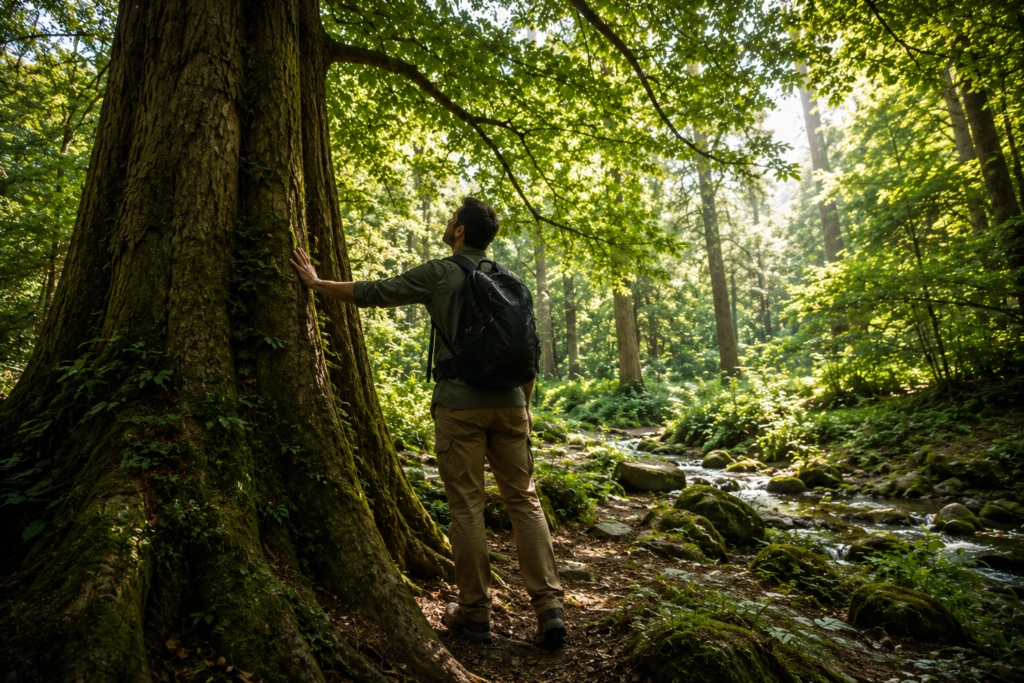
Ulrich’s (1984) Stress Reduction Theory can also provide an understanding of the restorative aspects of nature. The landmark study on patients’ post-surgery at the hospital indicated that patients whose room was overlooking the trees, compared to a brick wall, recovered more effectively. Subsequent research consistently found a positive correlation between contact with nature and lower stress, greater positive feelings, and greater positive physical outcomes (Hartig et al., 2014; Twohig-Bennett & Jones, 2018).
An area of research that adds to the overall picture of the restorative effects of nature is nature connectedness. Mayer and Frantz (2004) proposed the Connectedness to Nature Scale, in which participants’ sense of belonging to the natural world has a link to overall well-being. Nisbet et al. (2009) showed nature-relatedness to be related to increased happiness, concern for the environment, and meaningful life orientation. These studies seem to support that nature is not only a setting for recreation, but a source of identity, a place of belonging, and nourishment to our mental well-being.
Richard Louv (2008) popularized “nature-deficit disorder,” which he coined to describe the effects of childhood disconnection from nature. Though it is not a medical term, nature-deficit disorder brings into focus the value of outdoor play, learning from nature, and direct, tangible sensory experiences in child development.
Ecopsychology and Nature Connection
In the 1990s, the new academic discipline of ecopsychology arose to focus on the link between psychological well-being and environmental well-being. Roszak et al. (1995) claimed that mainstream psychology views the mind as existing separately from the natural world, while ecopsychology views the individual as a part of nature.
This viewpoint rejects the notion that psychological problems are solely individual issues and indicates that a lack of connection with nature, consumerism, degradation of the natural world, and disconnection with place can play a significant role in the existence of human suffering (Buzzell & Chalquist, 2009; Clinebell, 1996). Healing in this approach means finding individual insight in addition to re-establishing connection with body, community, place, and living things.
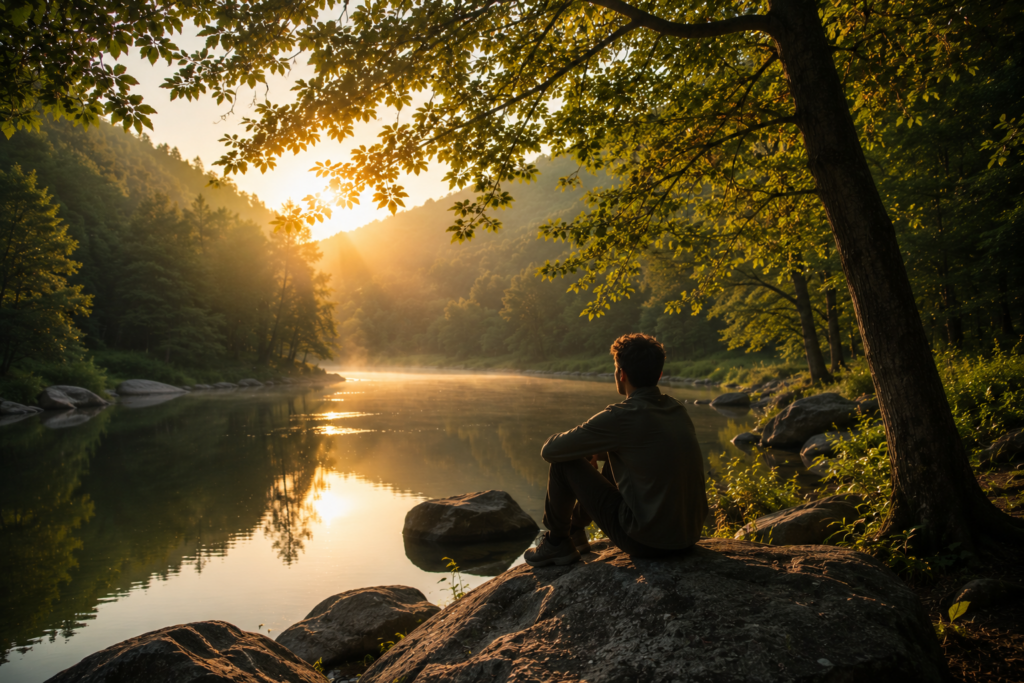
The importance of ecopsychology in our current times can be seen in the prevalence of ecological grief, climate anxiety, and solastalgia among people. Albrecht (2019) used the term solastalgia to describe distress caused by environmental change in one’s home environment. Such responses illustrate the reality that environmental destruction is not merely a scientific or political concern but also a psychological and spiritual crisis.
The connection with nature is then identified as a road to healing. While being in a natural environment can promote emotional relief and psychological well-being, ecopsychology suggests something deeper-a restoring of a sense of belonging. An individual may start to feel not separate from, but part of a dynamic living system; this notion can serve as the basis of humility, thankfulness, care, and responsibility for nature.
Therapeutic Gardens and Healing Landscapes
Intentional outdoor spaces that promote healing, restoration, rehabilitation, and well-being are therapeutic gardens. The gardens are designed with a purpose, and can be found in hospitals, schools, universities, nursing homes, rehabilitation facilities, and community centers, as well as mental health institutions. They differ from ornamental gardens by taking into account the intended physical, psychological, social, and/or emotional effects (Marcus & Sachs, 2014).
The foundation of the body of evidence on healing landscapes is strongly linked to Ulrich’s (1984) study of hospital recovery, in which he illustrated the profound impact of simply viewing a natural scene on recovery from surgery. It led to an understanding of how evidence-based design plays a crucial role in healthcare settings.
In this field, therapeutic landscape theory played a significant role in developing therapeutic landscapes. Gesler (1992) proposed the concept of therapeutic landscape for spaces where healing takes place. These places are perceived to be healing not only because of the properties of their physical setting, but also through the interplay between place, culture, meaning, relationship, and individual experience.
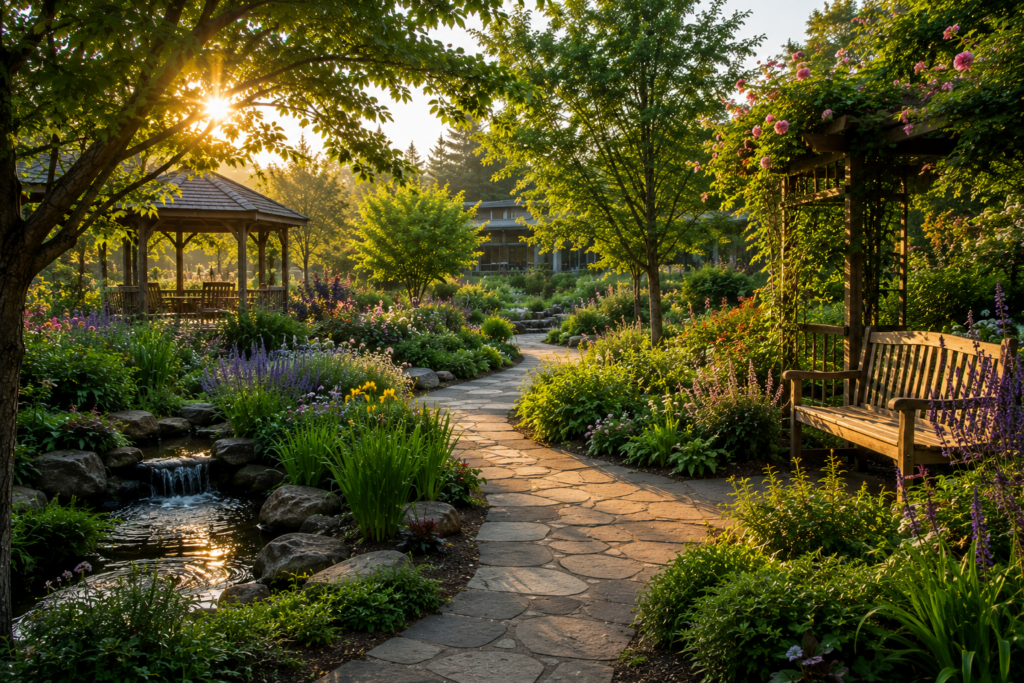
There are several ways a therapeutic garden helps healing. First, through sensory stimulation provided by color, smell, texture, sound, movement and change through the seasons; second, by offering a tranquil, safe, and restorative space that aids relaxation; third through light activity and movement; fourth by offering opportunities for social interaction and connection with other individuals; and fifth by offering a sense of meaning through taking care of plants and growing things.
Horticultural therapy takes advantage of these elements by structuring gardening activities into therapy sessions. A meta-analysis reported by Soga et al. (2017) found a connection between gardening activities and decreased depression, anxiety, and body mass index, and increased life satisfaction, quality of life, and social connection. A review of literature that supports the use of therapeutic gardens for older adults, particularly regarding their use in the reduction of mood disturbance and agitation, and enhancement of life quality, was conducted by Detweiler et al. (2012).
Clinical insight into how gardens assist in grief, trauma, anxiety, and emotional fragmentation is provided by Stuart-Smith (2020). The perspective is psychiatry in relation to gardening, and though this is not a research article, it is a useful synthesis of clinical experience, neuroscience, and horticultural therapy.
Nature-Based Interventions and Mental Health
Nature-based interventions cover many practices that utilize natural settings to promote health and well-being. Examples are ecotherapy, forest bathing, green exercise, wilderness therapy, horticultural therapy, community gardening, conservation-based activities, nature-assisted therapy, and counseling.
The ways nature-based interventions can aid mental health are numerous. Summers & Vivian (2018) considered ecotherapy an ecosystem service, noting that contact with nature can promote recovery from physical and mental health conditions. Bratman et al. (2019) presented that nature contact should be considered an ecosystem service because sound ecosystems provide psychological well-being to human populations.
Interest in forest bathing (Shinrin-Yoku) is growing, with increasing research evidence. An overview of forest bathing evidence has been produced by Hansen et al. (2017), who concluded that forest bathing may result in less stress and anxiety, an improved feeling of calm, and increased psychological well-being. A comprehensive systematic review and meta-analysis on the health benefits of green space has been conducted by Twohig-Bennett and Jones (2018), which identified associations with multiple health outcomes, including reduced cortisol and blood pressure, and improved self-reported health.
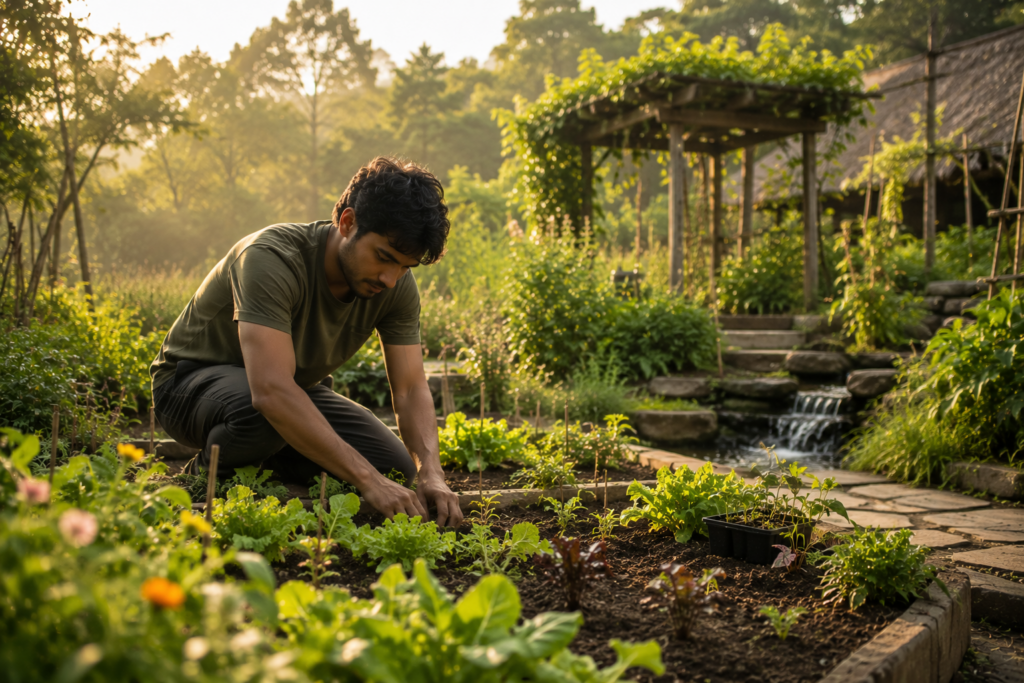
Nature-based interventions may also be useful for individuals with problems of rumination, anxiety, and depression. Studies by Bratman et al. (2015) demonstrated that nature walks significantly reduced rumination and activity in a brain region associated with repetitive negative thoughts, a key factor in depressive and anxious symptoms.
Community gardening is a form of nature-based healing with a social aspect. It involves contact with plants and soil, as well as community ownership, social ties, production of food, and community identity. These social and ecological benefits of gardening could lead to benefits for community mental health, urban well-being, and regenerative education.
Emerging research indicates that nature-based interventions may be effective in facilitating the recovery process from addiction and behavioral disorders. Despite there being few studies to date on horticultural therapy gardens and compulsive problem pornography use, nature-based interventions have been linked to decreased stress, rumination, anxiety, and emotional dysregulation, all of which are implicated in addictive behaviors (Bratman et al, 2015; Summers & Vivian, 2018).
Gardening, horticulture, and community-based ecological interventions might also present a healthier replacement to screen-based stimuli by promoting physical activity, social connection, and purposefulness (Sempik et al., 2010). From an ecopsychology framework, increased reconnection with nature can offer individuals the opportunity to develop healthier patterns of coping, belonging, and self-regulation (Roszak et al, 1995).
Permaculture as a Regenerative Framework
Permaculture, developed by Bill Mollison and David Holmgren, is a design system for creating human habitats that are regenerative and sustainable. It is more than a system for agriculture; permaculture can also be thought of as ecological design, resource management, the regeneration of soils and communities, appropriate technology, education, and ethics for living (Mollison 1988; Holmgren 2002).
Three core ethics underpin permaculture design: Earth Care, People Care, and Fair Share. These ethics translate well to therapeutic landscapes: Earth Care calls for the healing and restoration of natural ecosystems; People Care is the nurturing of human beings and communities, providing shelter, food, and emotional support; Fair Share, also called ‘future caring’, deals with the sustainable use and redistribution of resources.
Ferguson and Lovell (2014) explain that permaculture can be considered a social movement, a way of practicing, an approach to viewing the world, and a design method; they also assert that permaculture is related to agroecology, and yet is also largely excluded from scientific literature. This exclusion is notable when considering how permaculture can be incorporated into the design of therapeutic landscapes.
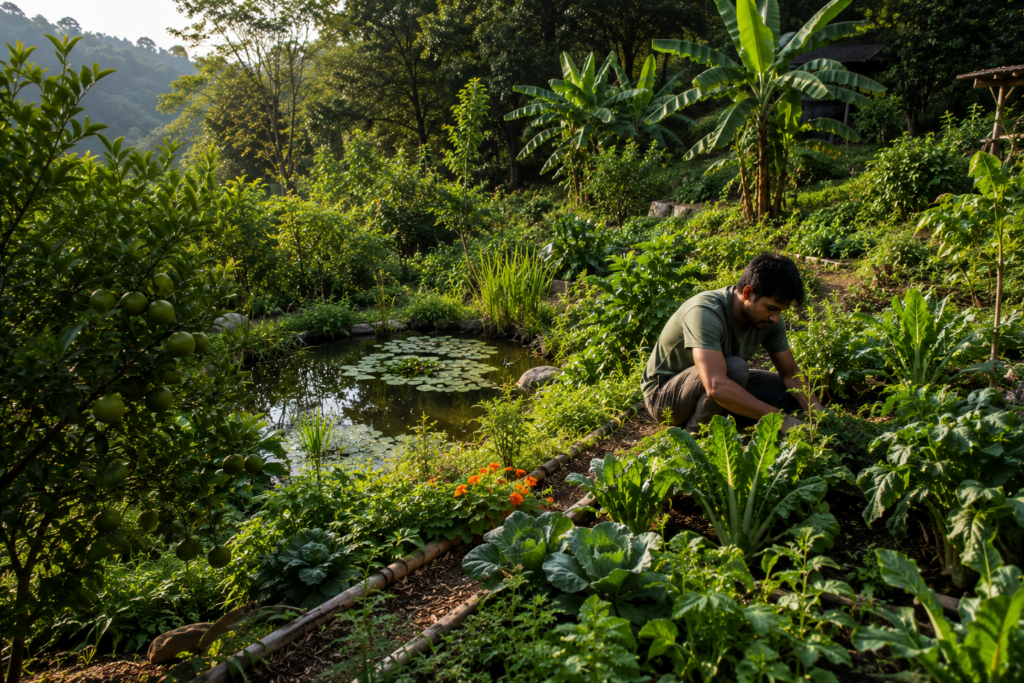
Permaculture offers several principles that may enrich the design of therapeutic gardens. Diversity is the foundation for ecological strength, and diversity offers greater stimulation of the senses. Stacking functions describes the way each component can offer a variety of uses: a fruit tree may offer fruit, shade, aesthetic beauty, shelter for wildlife, carbon sequestration, and emotional peace. The design of edges offers spaces between environments, which may foster contemplation, a range of species, and interaction. Observation can develop mindfulness and time.
Hemenway (2015) introduced permaculture into the urban and community landscape by describing how it can help towns, cities, and communities be more resilient; this principle is especially valuable as therapeutic landscape design can’t be confined to only hospitals and private gardens but also schools, universities, mosques, community centers, city parks, farm settings, or ecovillages.
Towards a Therapeutic Permaculture Model
Taken together, the integration of therapeutic gardens, ecopsychology, nature-based interventions, and permaculture creates a model that I have proposed is called Therapeutic Permaculture. This model is not simply about the development of therapeutic or productive gardens; it involves the creation of spaces in which psychological healing, ecological restoration, social community, and purposeful education occur simultaneously.
In this model, ecopsychology addresses why we humans require this engagement with the natural world, therapeutic gardens create safe healing spaces for experience such as peacefulness, sensory restoration, quiet contemplation and purposeful connection with living systems, nature-based interventions provide ways to engage such as gardening, walking, observing, harvesting, composting, planting and engaging with other participants, and permaculture provides the system design that ties it all together in a regenerating way.
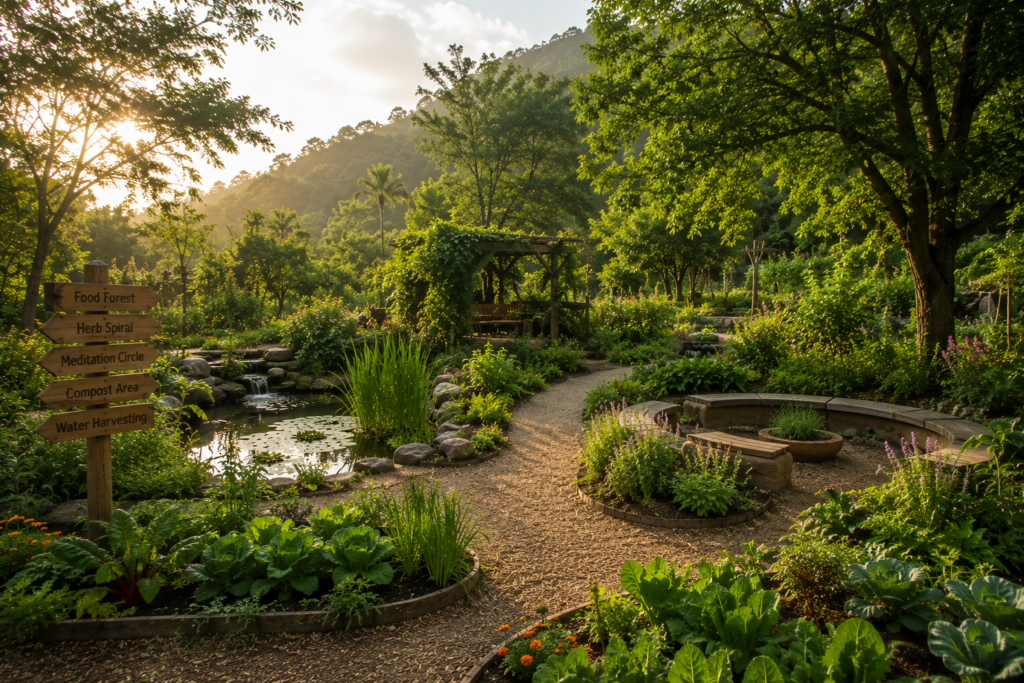
A therapeutic permaculture site may include food forests, sensory gardens, medicinal herbs, ponds, compost bins, wildlife habitats, shaded seating areas, outdoor classroom spaces, pathways, and calm areas for reflection. Each element can also serve several purposes. A pond, for instance, can help harvest water, attract wildlife, cool the microclimate, provide aesthetic interest, and produce a soothing sound. A food forest can offer fruit, shade, habitat, learning experiences, and an emotional link to the cycle of growing things.
This concept takes the focus of mental health away from being an individual model and toward a relational and ecological model. Healing is no longer solely contained within the four walls of the therapy room. Instead, healing also occurs through soil, plants, water, community, work and responsibility, aesthetics, and nurturing.
Future Directions
Further research should focus on how therapeutic permaculture may be applied in diverse cultural, pedagogical, clinical, and community settings. Further empirical evidence should be provided regarding therapeutic gardens with a permaculture ethos, and these are particularly needed in non-Western settings where connection to community, spirituality, agriculture, and ecological life are intertwined.
Universities might trial small therapeutic gardens for student stress, anxiety, digital overload, addiction, and social isolation. Rehab centers might use therapeutic permaculture and gardening for drug rehabilitation and healing from trauma. Schools could integrate therapeutic permaculture to help nurture the emotional and environmental well-being and ecological intelligence of children and develop their relationship with the outdoor environment. Community projects might use food forests and healing gardens to respond simultaneously to the interconnected social issues of loneliness and social isolation, and environmental issues of hunger and ecological destruction.
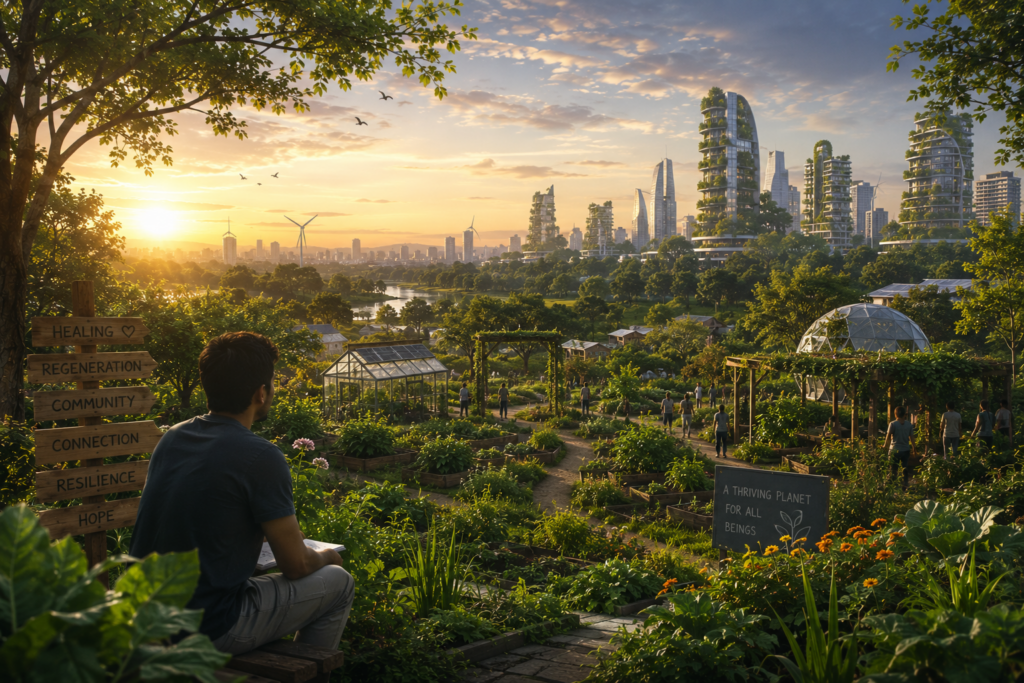
Additional research could compare which specific design features are most effective (sensory garden, food forest, water features, native planting garden, shady resting space, community gardening, etc.). Mixed-methods research involving psychological indicators, interviews, observation, ecological indicators, and personal stories could provide rich findings.
It will also be necessary to integrate therapeutic landscape design and climate adaptation. In the context of growing heat, flooding, urban pressures, and ecological destruction, therapeutic gardens could offer shade, water retention, biodiversity, food, and refuge from mental health impacts, suggesting therapeutic permaculture can play a role in well-being and resilience.
Conclusion
All therapeutic gardens, ecopsychology, nature-based therapy, and permaculture provide related, complementary responses to overlapping crises of mental distress and ecological breakdown. Environmental psychology research has demonstrated the attention-restoring, stress-reducing effects of natural environments. Ecopsychology highlights how much human mental health depends upon Ecological belonging. Therapeutic gardens and horticultural therapy offer environments and opportunities for psychological and physical healing. Permaculture provides a regenerative design strategy that bridges human caring and Earth caring.
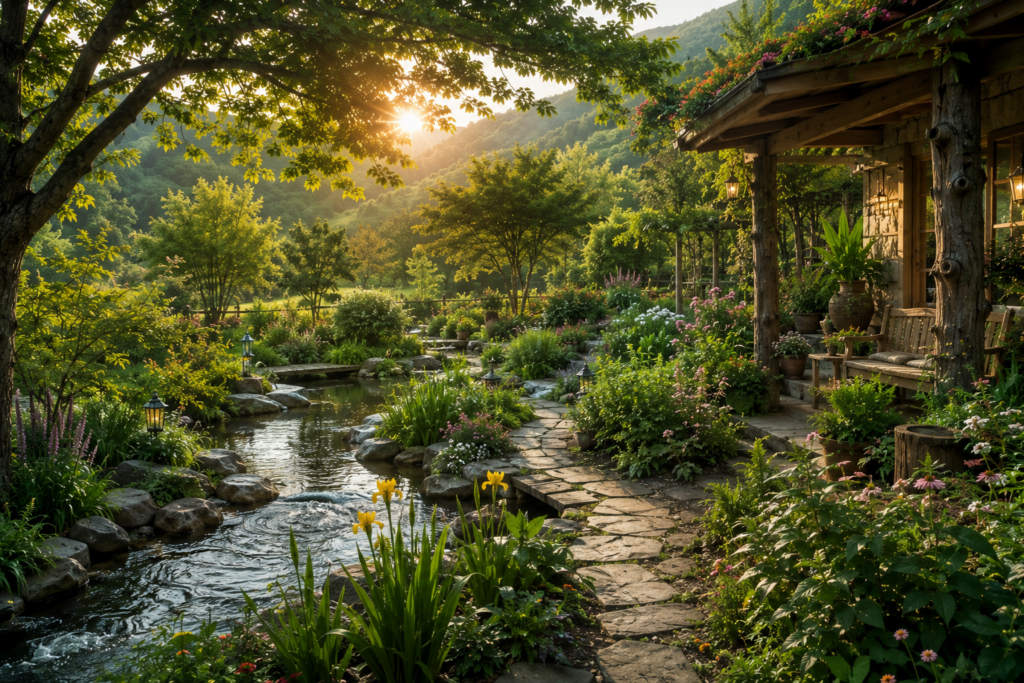
All four ideas can come together in the developing idea of therapeutic permaculture: the design of landscapes that can restore both human sanity and soil, biodiversity, community, food systems, and Ecological consciousness. These places can become learning environments, healing sanctuaries, community centers, and nature sanctuaries.
In the age of the mental health crisis and the Ecological crisis, caring for people and caring for the Earth are not two separate tasks; they are the two faces of a single task, to bring ourselves back into relations with the living world.
References
Albrecht, G. (2019). Earth emotions: new words for a new world. Cornell University Press.
Bratman, G. N., Anderson, C. B., Berman, M. G., Cochran, B., de Vries, S., Flanders, J., Folke, C., Frumkin, H., Gross, J. J., Hartig, T., Kahn, P. H., Jr., Kuo, M., Lawler, J. J., Levin, P. S., Lindahl, T., Meyer-Lindenberg, A., Mitchell, R., Ouyang, Z., Roe, J., Scarlett, L., Smith, J. R., van den Bosch, M., Wheeler, B. W., White, M. P., Zheng, H., & Daily, G. C. (2019). Nature and mental health: An ecosystem service perspective. Science Advances, 5(7), Article eaax0903. https://doi.org/10.1126/sciadv.aax0903
Bratman, G. N., Hamilton, J. P., Hahn, K. S., Daily, G. C., & Gross, J. J. (2015). Nature experience reduces rumination and subgenual prefrontal cortex activation. Proceedings of the National Academy of Sciences, 112(28), 8567–8572. https://doi.org/10.1073/pnas.1510459112
Buzzell, L., & Chalquist, C. (Eds.). (2009). Ecotherapy: Healing with nature in mind. Sierra Club Books.
Clinebell, H. (1996). Ecotherapy: Healing ourselves, healing the earth. Fortress Press.
Detweiler, M. B., Sharma, T., Detweiler, J. G., Murphy, P. F., Lane, S., Carman, J., Chudhary, A. S., Halling, M. H., & Kim, K. Y. (2012). What is the evidence to support the use of therapeutic gardens for the elderly? Psychiatry Investigation, 9(2), 100–110. https://doi.org/10.4306/pi.2012.9.2.100
Ferguson, R. S., & Lovell, S. T. (2014). Permaculture for agroecology: Design, movement, practice, and worldview. A review. Agronomy for Sustainable Development, 34(2), 251–274. https://doi.org/10.1007/s13593-013-0181-6
Frumkin, H., Bratman, G. N., Breslow, S. J., Cochran, B., Kahn, P. H., Jr., Lawler, J. J., Levin, P. S., Tandon, P. S., Varanasi, U., Wolf, K. L., & Wood, S. A. (2017). Nature contact and human health: A research agenda. Environmental Health Perspectives, 125(7), Article 075001. https://doi.org/10.1289/EHP1663
Gesler, W. M. (1992). Therapeutic landscapes: Medical issues in light of the new cultural geography. Social Science & Medicine, 34(7), 735–746. https://doi.org/10.1016/0277-9536(92)90360-3
Hansen, M. M., Jones, R., & Tocchini, K. (2017). Shinrin-Yoku, forest bathing and nature therapy: A state-of-the-art review. International Journal of Environmental Research and Public Health, 14(8), Article 851. https://doi.org/10.3390/ijerph14080851
Hartig, T., Mitchell, R., de Vries, S., & Frumkin, H. (2014). Nature and health. Annual Review of Public Health, 35, 207–228. https://doi.org/10.1146/annurev-publhealth-032013-182443
Hemenway, T. (2015). The permaculture city: Regenerative design for urban, suburban, and town resilience. Chelsea Green Publishing.
Holmgren, D. (2002). Permaculture: Principles and pathways beyond sustainability. Holmgren Design Services.
Kaplan, R., & Kaplan, S. (1989). The experience of nature: A psychological perspective. Cambridge University Press.
Kaplan, S. (1995). The restorative benefits of nature: Toward an integrative framework. Journal of Environmental Psychology, 15(3), 169–182. https://doi.org/10.1016/0272-4944(95)90001-2
Kellert, S. R., & Wilson, E. O. (Eds.). (1993). The biophilia hypothesis. Island Press.
Louv, R. (2008). Last Child in the Woods: Saving Our Children from Nature-Deficit Disorder (Updated and expanded ed.). Algonquin Books.
Marcus, C. C., & Sachs, N. A. (2014). Therapeutic landscapes: An evidence-based approach to designing healing gardens and restorative outdoor spaces. Wiley.
Mayer, F. S., & Frantz, C. M. (2004). The connectedness to nature scale: A measure of individuals’ feeling in community with nature. Journal of Environmental Psychology, 24(4), 503–515. https://doi.org/10.1016/j.jenvp.2004.10.001
Mollison, B. (1988). Permaculture: A designer’s manual. Tagari Publications.
Nisbet, E. K., Zelenski, J. M., & Murphy, S. A. (2009). The Nature Relatedness Scale: Linking individuals’ connection with nature to environmental concern and behavior. Environment and Behavior, 41(5), 715–740. https://doi.org/10.1177/0013916508318748
Roszak, T., Gomes, M. E., & Kanner, A. D. (Eds.). (1995). Ecopsychology: Restoring the earth, healing the mind. Sierra Club Books.
Sempik, J., Hine, R., & Wilcox, D. (Eds.). (2010). Green care: A conceptual framework: A report of the Working Group on the Health Benefits of Green Care (COST Action 866, Green Care in Agriculture). Loughborough University.
Soga, M., Gaston, K. J., & Yamaura, Y. (2017). Gardening is beneficial for health: A meta-analysis. Preventive Medicine Reports, 5, 92–99. https://doi.org/10.1016/j.pmedr.2016.11.007
Stuart-Smith, S. (2020). The well-gardened mind: The restorative power of nature. William Collins.
Summers, J. K., & Vivian, D. N. (2018). Ecotherapy—A forgotten ecosystem service: A review. Frontiers in Psychology, 9, Article 1389. https://doi.org/10.3389/fpsyg.2018.01389
Twohig-Bennett, C., & Jones, A. (2018). The health benefits of the great outdoors: A systematic review and meta-analysis of greenspace exposure and health outcomes. Environmental Research, 166, 628–637. https://doi.org/10.1016/j.envres.2018.06.030
Ulrich, R. S. (1984). View through a window may influence recovery from surgery. Science, 224(4647), 420–421. https://doi.org/10.1126/science.6143402
Wilson, E. O. (1984). Biophilia. Harvard University Press.